It sounds like you have the background to do this, but are lacking either the test equipment or logical process to find the fault.
First step (at least for me) is you do an IR test on the circuit(s) on the offending RCD with everything unplugged / off. Checking both L to E and N to E, or do L+N to E if you are looking for a fast and safe check if there are LED lights, etc.
Also worth an early check is to see what current the RCD is actually tripping at, but a sensitive-fault RCD is not such a likely reason in practice.
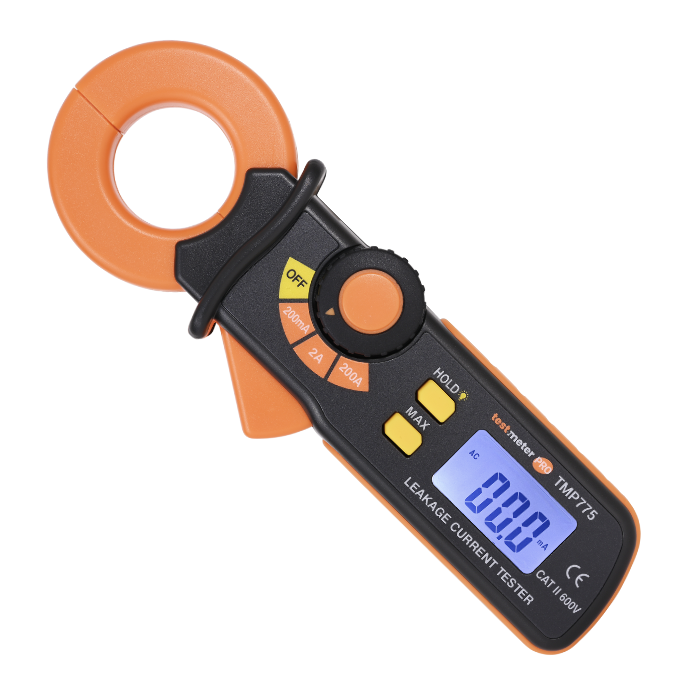
If those test shows nothing suspicious then put the circuit back on and clamp the RCD lines with a meter that can read down to 10mA or less and see if the RCD has any legitimate reason to trip.
If nothing shows up then get all the appliances plugged back in and see if any of them has raised the leakage current to a point near the 15mA start of trip region.