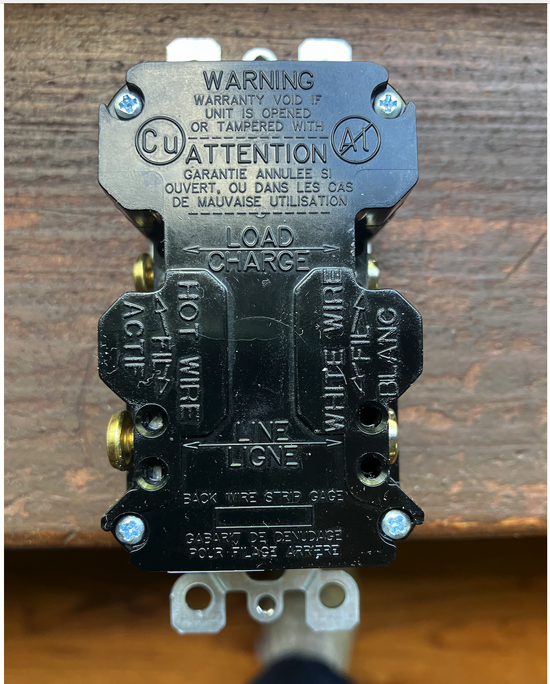
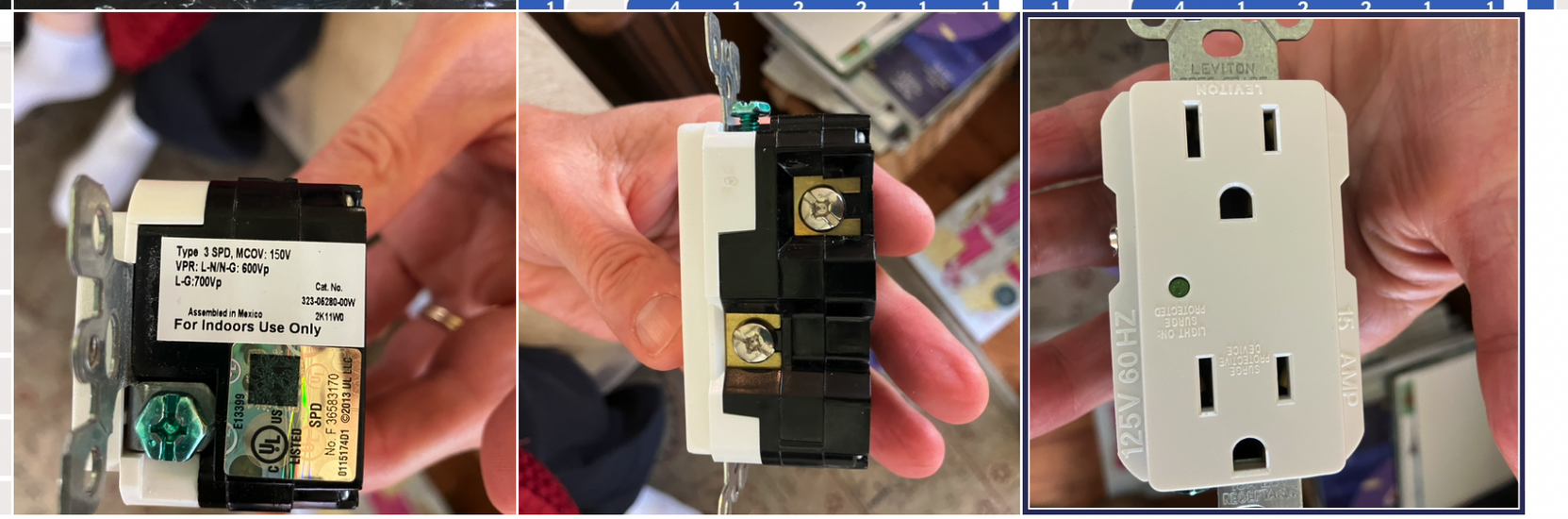
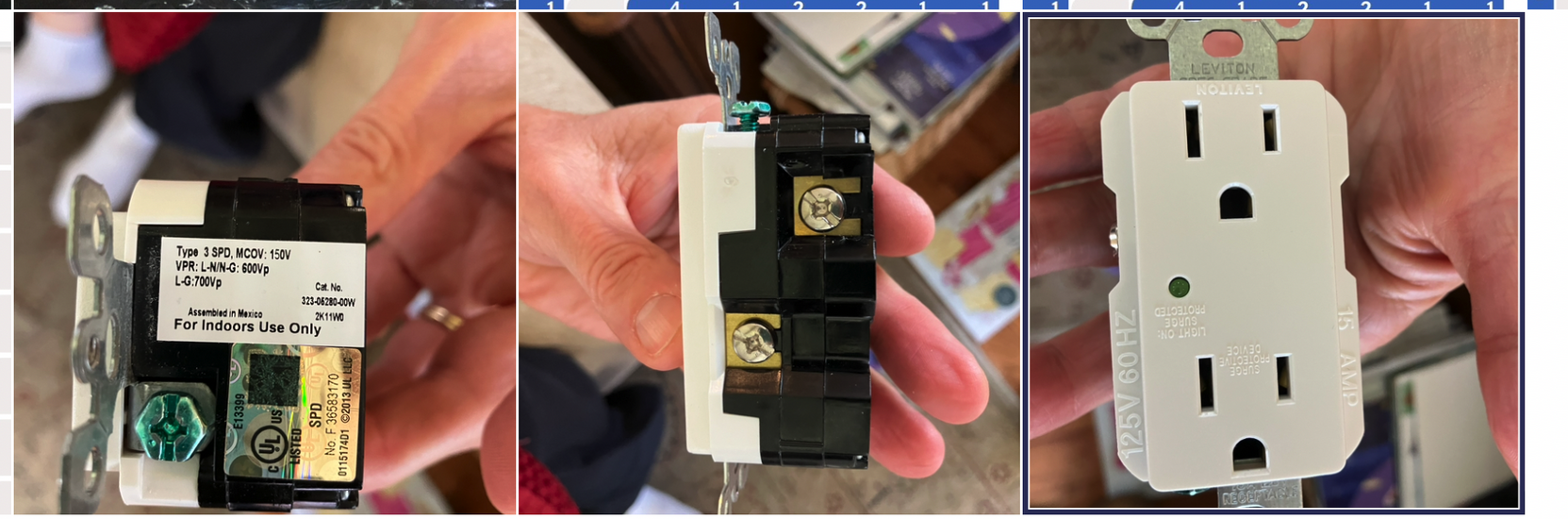
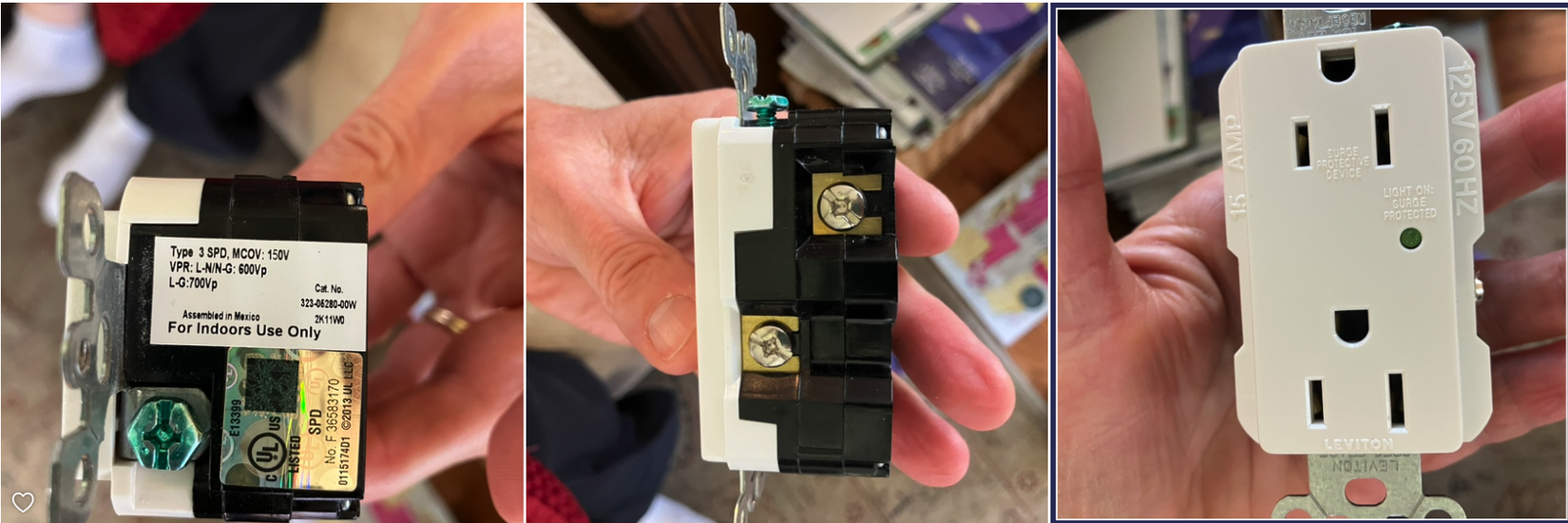
I purchased Leviton duplex receptacle that is also a Surge Protection Device.

Receptacle: Leviton 5280-W

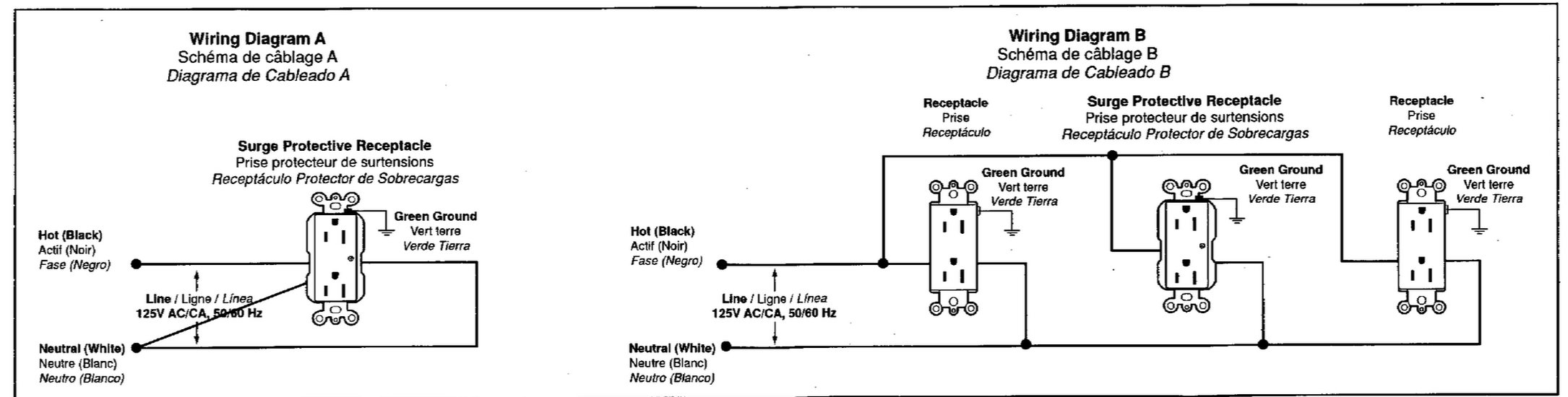
I cannot make sense out of the wiring diagram A included in the box, what the heck is that diagonal wire running from neutral to the left side of the receptacle? I contacted Leviton and they could not explain it, and the installation manual on their website looks identical except this diagonal wire is missing on their website. Is it possible there was just an error in an old document?
screenshot_1502.png


screenshot_1504.png
screenshot_1503.png
 

Attachments

  • screenshot_1492.png
    screenshot_1492.png
    1.8 MB · Views: 7
  • screenshot_1492.png
    screenshot_1492.png
    1.8 MB · Views: 10
It looks like it shouldn't be there as it goes across the wording.
 
It looks like it shouldn't be there as it goes across the wording.
Good point about the wording being crossed.

I think my real problem is not so much how to properly wire the device (I know the diagram is wrong) but I want to be sure I really purchased a genuine Leviton device. Leviton has been known to make documentation errors worse than this. I contacted Leviton tech support but pretty much got told to return the device to the place of purchase and they also gave me factually incorrect information about the part. They told me I really purchased Leviton #6280 based the pictures I sent, which when I looked up the 6280 on their website, it looked completely different. They also told me the unit I purchased had the front LED in the wrong location for #5280, but when I pointed out to the rep the #5280 picture on their own website, they retracted the comment. I lost faith in their tech department.

The UL sticker on the unit checks out (a quality looking Hologram Label containing the correct E13399 File number which traced back to the correct Leviton Model #5280. The device markings (front, back,sides) also identically match detailed pictures I found on reputable Leviton retailer websites. So I've pretty much convinced myself it's a genuine Leviton part. It would just be nice to understand the documentation I received. I have contacted the company I purchased it from and they are looking into it.

I had problems finding this part locally, the nearest one is a 40 minute drive so I purchased it online.
 
It never ceases to amaze me just how bad the termination points are on these accessories
Are you referring to the screw terminals? I used the rear clamp plates instead of looping wire under the screws. It's so much easier. This is NOT the same as backstabbing which I would never do. There is a metal plate which tightens firmly into the copper conductor. You can't see it in the photos but there are two slots for each screw on the back side of the device which accepts a conductor. So two conductors per screw can be inserted and clamped.
 
Are you referring to the screw terminals? I used the rear clamp plates instead of looping wire under the screws. It's so much easier. This is NOT the same as backstabbing which I would never do. There is a metal plate which tightens firmly into the copper conductor. You can't see it in the photos but there are two slots for each screw on the back side of the device which accepts a conductor. So two conductors per screw can be inserted and clamped.
Are you sure that the points you have terminated to are connected to the correct parts of the outlet?
 
Are you sure that the points you have terminated to are connected to the correct parts of the outlet?
I used an outlet tester to confirm the receptacle was wired correctly.
I would hope even the pros double check this when they finish. It would be easy to swap hot and neutral.

Black to gold terminal
White to silver terminal
Ground to green screw

It was hard to find this receptacle surge suppressor locally. Most surge suppressors are either Type 2 for installation into the electrical panel or Type 3 with a chord or Type 3 that plugs into a receptacle. This one gets wired directly into the house branch circuit and looks like a normal outlet.
 
Last edited:
Are you referring to the screw terminals? I used the rear clamp plates instead of looping wire under the screws. It's so much easier. This is NOT the same as backstabbing which I would never do. There is a metal plate which tightens firmly into the copper conductor. You can't see it in the photos but there are two slots for each screw on the back side of the device which accepts a conductor. So two conductors per screw can be inserted and clamped.
Thanks for clarifying that
 
Well to finish out this thread, I returned the receptacle per advise by Leviton.
They were concerned the device was counterfeit based on the wiring diagram error.
The UL sticker looked authentic, the device appeared to be high quality, and it had all the right markings.
But with the proliferation of counterfeit electronics out there, it just wasn't worth it.
Bottom line is I will only order electronic devices from a company who I know is an authorized seller for the product.
You have to be careful with Amazon and Walmart regarding 3d party sellers.
 

OFFICIAL SPONSORS

Back
Top