D

David Galvin

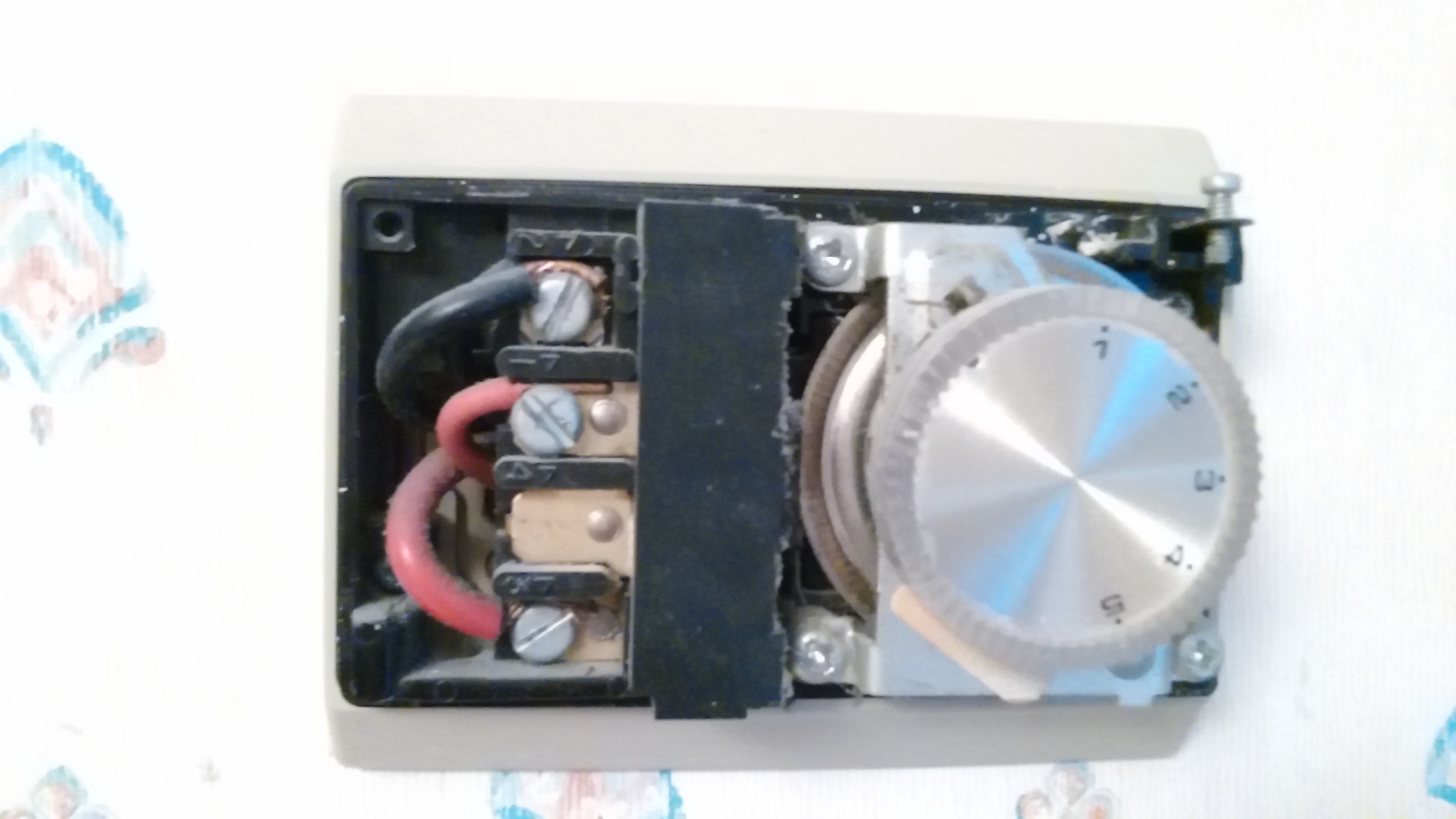
I am trying to replace some thermostats on a ceiling heating system, I think they are Honeywell T6060 units.
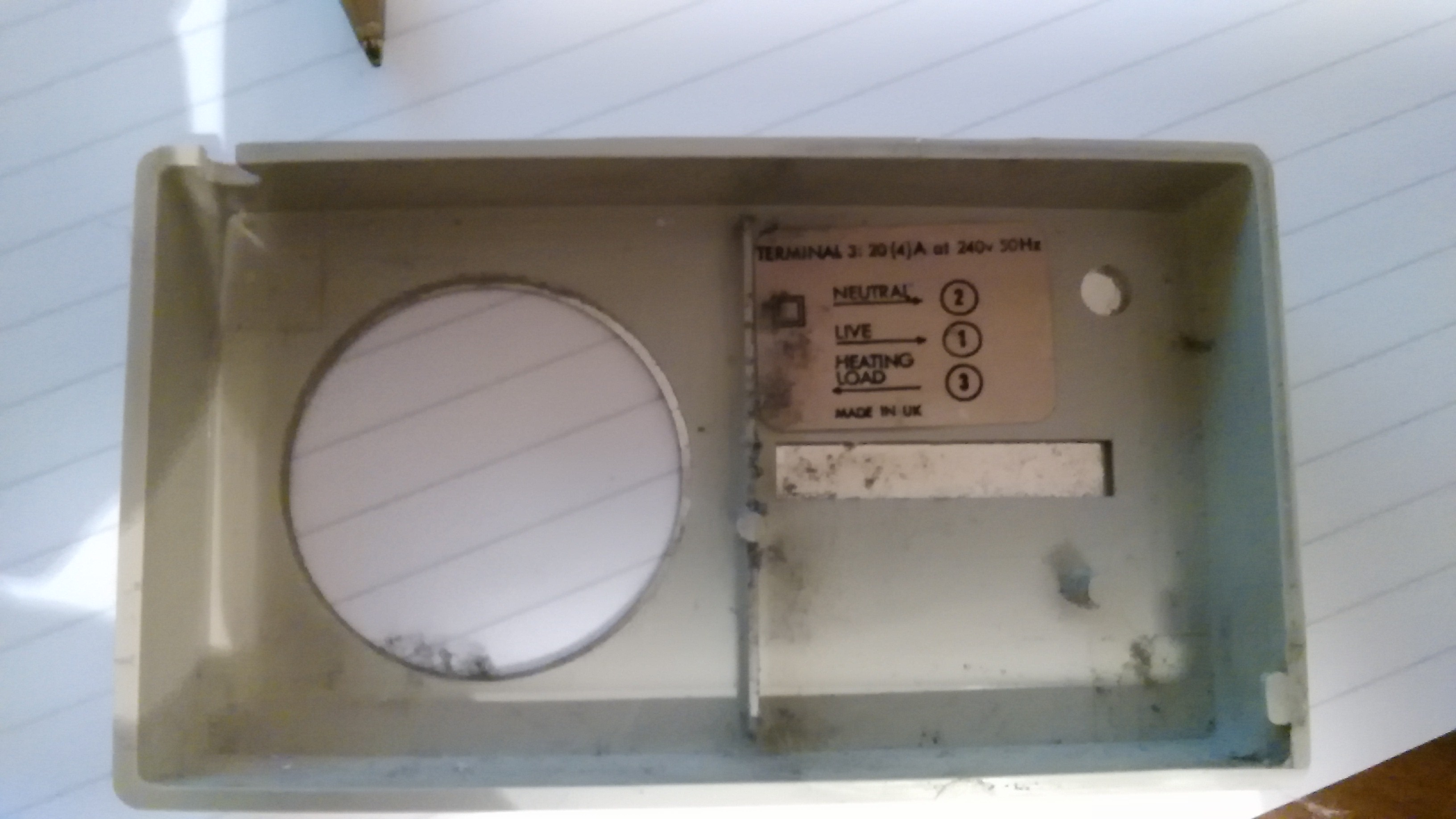
The terminals are designated as 20(4)A @ 240v.

I assume this means they are good for 20A load, BUT what does the (4) mean??

Any suggestions for modern replacement units that can carry these sorts of loads?

Thanks in antiscipation.
internal case.jpg


internal wiring.jpg
 
I believe the (4) signifies the reactive load capacity. I assume the ceiling heating system is probably resistive hence the 20A rating. I am not sure what thermostats are rated at 20Amp but consider a suitably rated contactor/relay and a lower capacity thermostat, perhaps an electronic one which can give other options such as timer and IP connectivity.
 
Thanks for the reply, but my electrical knowledge is not great.
Can you explain what recative load capacity is?
Thanks
 
I believe the (4) signifies the reactive load capacity. I assume the ceiling heating system is probably resistive hence the 20A rating. I am not sure what thermostats are rated at 20Amp but consider a suitably rated contactor/relay and a lower capacity thermostat, perhaps an electronic one which can give other options such as timer and IP connectivity.

Could you reccomend or link to such an ip stat? Thanks
 
What's wrong with the old stats?

Modern mechanical thermostats still have a decent current rating around 16A usually, just check what the actual load these are required to switch is. The chances of them needing to switch 20A are somewhere between slim and nine I think.

There's no point getting any fancy electronic digital or whatever thermostat for electric ceiling heating as it's such an inefficient heap of junk you won't get any benefit.
To be honest I would always recommend that a customer consider replacing ceiling heating rather than wasting money repairing it.
 
Thanks Snowhead, thats a clear explanation that I had been looking for.

Regarding the thermostats, I am just looking for a more modern looking mech OR electronic version as the existing ones are a bit dated/tired.

Davesparks
Regarding the ceiling heating, we have been more than happy with it for nearly 25years.
NO radiators to leak, bleed or decorate around.
NO boiler taking up space and requiring servicing.
NO pipework to route and leak.

Agreed, its not for everyone, but for our open plan minimalist home its the perfect solution.
The house is well insulated, under and over floor levels (a requirement for these systems)
Its run overnight on E7 to provide a "storage" solution, additional daytime requirements topped up with a 1.5kw gas log effect balance flue.

You may consider the system to be inefficient.
However, based on:
Benefits to us as listed above,
Total electric/gas bill of £1,100ish/year for a 5bed detached property.
We are more than happy, so don't dismiss ceiling heating out of hand.
 
Could you reccomend or link to such an ip stat? Thanks

There are several Bigsparks, Heatmiser is one that works via an internet bridge. There are several more around these days but expensive compared to the humble contact thermostat.
 
Thanks Snowhead, thats a clear explanation that I had been looking for.

Regarding the thermostats, I am just looking for a more modern looking mech OR electronic version as the existing ones are a bit dated/tired.

Davesparks
Regarding the ceiling heating, we have been more than happy with it for nearly 25years.
NO radiators to leak, bleed or decorate around.
NO boiler taking up space and requiring servicing.
NO pipework to route and leak.

Agreed, its not for everyone, but for our open plan minimalist home its the perfect solution.
The house is well insulated, under and over floor levels (a requirement for these systems)
Its run overnight on E7 to provide a "storage" solution, additional daytime requirements topped up with a 1.5kw gas log effect balance flue.

You may consider the system to be inefficient.
However, based on:
Benefits to us as listed above,
Total electric/gas bill of £1,100ish/year for a 5bed detached property.
We are more than happy, so don't dismiss ceiling heating out of hand.

I'd still want to know the cost of running an equivalent building with the same level of insulation with a more efficient system before judging it, I somehow doubt that ceiling heating will be the cheaper option.

But anyway, my point about digital electronic thermostats still stands for the system, it won't give any advantage other than looking fancy.
 

OFFICIAL SPONSORS

Back
Top